

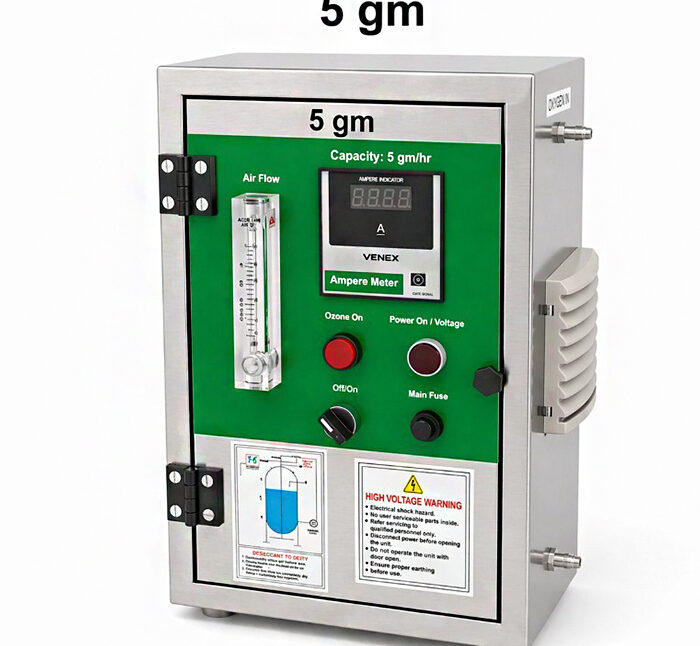
Ozonator for Water Treatment
Water is life. But what happens when the water we rely on every day is filled with bacteria, chemicals, odors, and harmful contaminants? That’s where an ozonator for water treatment steps in like a silent superhero. Modern water purification methods have evolved rapidly, and ozone technology is now considered one of the most effective and eco-friendly solutions available.
Whether it’s for homes, industries, hospitals, swimming pools, or municipal water systems, ozonators are transforming the way water is purified. In this article, we’ll explore everything you need to know about ozonators for water treatment, from how they work to their benefits, applications, maintenance, and future potential.
What Is an Ozonator?
An ozonator is a device that generates ozone gas (O₃) and injects it into water to disinfect and purify it. Ozone is a naturally occurring molecule made up of three oxygen atoms and is known for its powerful oxidizing properties.
Unlike traditional water treatment methods that rely heavily on chemicals like chlorine, ozone treatment provides a cleaner and more environmentally friendly alternative.
Understanding Ozone Technology
Ozone is created when oxygen molecules are exposed to high electrical voltage or ultraviolet light. The process splits oxygen molecules into individual atoms, which then combine with other oxygen molecules to form ozone.
Think of ozone as oxygen on steroids—it reacts aggressively with contaminants and destroys them rapidly.
Components of an Ozonator System
A standard ozonator system includes:
- Ozone generator
- Air dryer or oxygen concentrator
- Injection system
- Contact tank
- Ozone destruct unit
Each component works together to ensure effective water purification.
How Ozonators Work in Water Treatment
Ozone treatment works through oxidation. Once ozone is dissolved into water, it attacks microorganisms, organic matter, and impurities at a molecular level.
Ozone Injection Process
The generated ozone is mixed with water using injectors or diffusers. This ensures maximum contact between ozone and contaminants.
Imagine adding soap to greasy dishes. The soap breaks down grease instantly. Ozone behaves similarly, but on a microscopic scale.
Oxidation and Disinfection
Ozone oxidizes:
- Bacteria
- Viruses
- Iron
- Sulfur
- Manganese
- Pesticides
- Organic compounds
This oxidation process destroys harmful contaminants without leaving behind dangerous chemical residues.
Types of Ozonators for Water Treatment
Different ozonators are designed for different applications.
Corona Discharge Ozonators
These are the most common and powerful ozonators used in industrial and commercial applications. They generate ozone using electrical discharge.
Advantages of Corona Discharge Systems
- High ozone output
- Energy efficient
- Suitable for large-scale water treatment
Ultraviolet Ozonators
UV ozonators use ultraviolet light to generate ozone. They are generally used in smaller applications like aquariums and residential systems.
Benefits of UV Ozonators
- Compact design
- Lower initial cost
- Easy maintenance
Benefits of Using Ozonators
Why are more industries and homeowners switching to ozone water treatment? The reasons are compelling.
Chemical-Free Water Purification
Ozone treatment minimizes the need for harmful chemicals. Unlike chlorine, ozone doesn’t produce toxic byproducts.
This means cleaner water and a healthier environment.
Effective Removal of Bacteria and Viruses
Ozone is up to 50 times stronger than chlorine when it comes to killing microorganisms.
It can eliminate:
- E. coli
- Salmonella
- Giardia
- Cryptosporidium
- Viruses and fungi
Improves Taste and Odor
Ever noticed a strange smell in water? Ozone removes unpleasant odors and improves taste significantly.
Fast Treatment Process
Ozone reacts quickly. Water purification happens almost instantly compared to some traditional methods.
Eco-Friendly Technology
Since ozone naturally converts back into oxygen, it leaves no harmful residue behind.
Applications of Ozonators
Ozonators are incredibly versatile and used across multiple industries.
Residential Water Treatment
Homeowners use ozonators to purify drinking water, remove odors, and eliminate harmful microorganisms.
Benefits for Homes
- Cleaner drinking water
- Better-tasting water
- Reduced chemical exposure
- Improved appliance lifespan
Industrial Water Treatment
Industries rely on ozonators for treating wastewater and process water.
Common industries include:
- Food processing
- Pharmaceuticals
- Textile manufacturing
- Chemical industries
Swimming Pools and Spas
Ozone systems reduce chlorine dependency in pools and spas.
Advantages for Pools
- Softer water
- Reduced skin irritation
- Crystal-clear water
- Less chemical smell
Hospitals and Laboratories
Sterile water is essential in healthcare environments. Ozone provides highly effective disinfection.
Agriculture and Aquaculture
Farmers and fish breeders use ozone-treated water to improve crop quality and aquatic health.
Ozonator vs Chlorination
The debate between ozone and chlorine has existed for decades.
Efficiency Comparison
Ozone works faster and destroys more microorganisms than chlorine.
| Feature | Ozonator | Chlorination |
|---|---|---|
| Disinfection Speed | Very Fast | Moderate |
| Chemical Residue | None | Yes |
| Odor | No strong smell | Chlorine smell |
| Environmental Impact | Eco-friendly | Chemical waste |
| Effectiveness | Very high | Moderate |
Environmental Impact
Chlorine can create harmful disinfection byproducts, while ozone decomposes naturally into oxygen.
That’s a massive win for sustainability.
Installation and Maintenance
Installing an ozonator requires proper planning.
Choosing the Right Capacity
Factors to consider include:
- Water usage
- Contamination level
- Flow rate
- Application type
A residential system differs greatly from an industrial setup.
Maintenance Tips
Regular maintenance ensures long-term performance.
Important Maintenance Practices
- Clean injectors regularly
- Replace filters periodically
- Inspect tubing and valves
- Monitor ozone output
Good maintenance can significantly extend system life.
Safety Considerations
Although ozone is highly effective, excessive exposure can be harmful if not handled properly.
Key Safety Measures
- Ensure proper ventilation
- Use ozone destruct units
- Follow manufacturer guidelines
- Avoid direct inhalation
Professional installation is always recommended for large systems.
Cost of Ozonators for Water Treatment
The cost varies depending on size, capacity, and application.
Approximate Price Range
| Type | Estimated Cost |
|---|---|
| Small Residential Unit | $200 – $800 |
| Medium Commercial Unit | $1,000 – $5,000 |
| Industrial Ozonator | $10,000+ |
While the initial investment may seem high, long-term savings on chemicals and maintenance often make ozone systems cost-effective.
Future of Ozone Water Treatment Technology
The future looks bright for ozone water treatment.
Emerging Innovations
Researchers are developing:
- Smart ozonator systems
- Energy-efficient generators
- AI-based monitoring
- Portable ozone purification units
As environmental regulations become stricter, ozone technology is expected to play a larger role in global water treatment solutions.
Why Businesses Prefer Ozonators
Companies today want sustainable and efficient solutions. Ozonators help businesses:
- Meet environmental standards
- Reduce operational costs
- Improve water quality
- Enhance brand reputation
In a world increasingly focused on green technology, ozone systems are becoming more attractive than ever.
Common Problems Solved by Ozonators
An ozonator can solve several water quality issues.
Problems It Handles
- Bad taste
- Foul odor
- Bacterial contamination
- Iron staining
- Cloudy water
- Organic pollutants
It’s like giving your water a deep-cleaning treatment every single day.
How to Choose the Best Ozonator
Selecting the right ozonator can feel overwhelming.
Things to Look For
- Ozone production capacity
- Build quality
- Brand reputation
- Warranty
- Energy consumption
- Maintenance requirements
Always choose a trusted manufacturer with proven expertise.
Environmental Benefits of Ozone Water Treatment
Water treatment methods should protect both humans and nature.
Why Ozone Is Environmentally Friendly
- Reduces chemical usage
- Produces fewer byproducts
- Conserves water quality
- Supports sustainable operations
Ozone technology aligns perfectly with modern environmental goals.
Conclusion
An ozonator for water treatment is more than just a purification device—it’s a smarter, cleaner, and more sustainable solution for modern water challenges. From eliminating harmful microorganisms to improving water taste and reducing chemical dependency, ozone technology offers impressive advantages for homes, industries, hospitals, and recreational facilities.
As awareness about environmental safety and water quality continues to grow, ozonators are quickly becoming the preferred choice worldwide. Investing in ozone water treatment today means investing in healthier water and a greener future tomorrow.
FAQs
1. Is ozone water treatment safe for drinking water?
Yes, ozone-treated water is safe for drinking when the system is properly installed and maintained.
2. Can ozonators remove hard water minerals?
Ozonators mainly disinfect and oxidize contaminants. They do not soften hard water directly.
3. How long does an ozonator last?
Most ozonators last between 5 to 10 years with proper maintenance.
4. Does ozone treatment remove chlorine from water?
Yes, ozone can help reduce or eliminate chlorine and its odor from water.
5. Are ozonators expensive to maintain?
No, maintenance costs are generally low compared to traditional chemical treatment systems.