
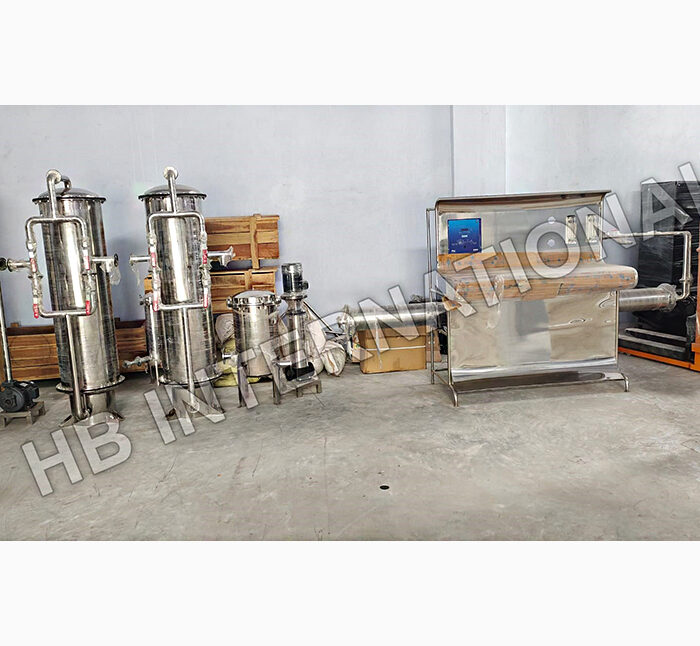
SS RO Plant in Ahmedabad, Gujarat
Clean and purified water is essential for industries, commercial establishments, institutions, hospitals, hotels, and many other applications. As water quality and purification requirements continue to increase, businesses need reliable water treatment systems that can deliver consistent performance. An SS RO Plant in Ahmedabad, Gujarat is an ideal solution for industries and organizations looking for efficient, durable, and hygienic water purification technology.
Stainless Steel Reverse Osmosis (RO) plants are designed to remove dissolved salts, unwanted minerals, impurities, microorganisms, suspended particles, and other contaminants from water. The use of stainless steel in the construction of the plant provides excellent durability, corrosion resistance, hygiene, and long-term operational reliability.
Ahmedabad is one of Gujarat’s major industrial and commercial hubs, with businesses operating across manufacturing, pharmaceuticals, food processing, chemicals, textiles, engineering, hospitality, healthcare, and other sectors. These industries often require a dependable source of treated water for production processes and daily operations. A properly designed SS RO Plant in Ahmedabad can help meet these water purification requirements efficiently.
What Is an SS RO Plant?
An SS RO Plant is a water purification system manufactured using stainless steel components and a Reverse Osmosis membrane-based filtration process. Reverse Osmosis is a pressure-driven purification technology in which water passes through a semi-permeable membrane.
The membrane allows water molecules to pass while restricting many dissolved salts, contaminants, and impurities. Depending on the source water and treatment requirements, an RO plant can be combined with pre-treatment systems such as sand filters, activated carbon filters, micron filters, dosing systems, and other water treatment components.
The stainless steel construction makes these RO plants particularly suitable for applications where durability, hygiene, corrosion resistance, and professional appearance are important.
Why Choose an SS RO Plant in Ahmedabad?
Choosing the right RO plant is important because water quality can directly affect manufacturing processes, equipment performance, product quality, and operational costs. An SS RO Plant offers several advantages for industrial and commercial applications.
1. Excellent Corrosion Resistance
Stainless steel provides strong resistance against corrosion and oxidation. This makes SS RO plants suitable for environments where the equipment may come into regular contact with water and moisture.
2. High Durability
Stainless steel construction provides mechanical strength and long-term durability. With appropriate operation and maintenance, an SS RO plant can provide reliable service for many years.
3. Hygienic Construction
Stainless steel surfaces are easy to clean and maintain. This makes SS RO plants suitable for industries where hygiene and cleanliness are important, including food processing, pharmaceuticals, healthcare, and hospitality.
4. Efficient Water Purification
Reverse Osmosis technology can reduce a wide range of dissolved impurities and contaminants. The resulting treated water can be used for various industrial, commercial, and process applications depending on the required water quality.
5. Professional Appearance
Stainless steel gives the RO plant a clean, modern, and professional appearance. This is particularly beneficial for commercial facilities, laboratories, hospitals, hotels, and manufacturing units where equipment presentation matters.
Applications of SS RO Plants
An SS RO Plant in Ahmedabad, Gujarat can be used across a wide range of industries and applications.
Industrial Applications
Manufacturing companies require treated water for production processes, boilers, cooling systems, washing, and other industrial operations. An industrial SS RO plant can be designed according to the required water capacity and quality.
Pharmaceutical Industry
Pharmaceutical manufacturing requires high-quality water for several processes. Stainless steel water treatment equipment can be incorporated into treatment systems where hygienic construction and reliable purification are required.
Food and Beverage Industry
Water quality is extremely important in food and beverage manufacturing. RO-treated water can be used for processing, ingredient preparation, cleaning, and other applications according to the industry’s specific requirements.
Hospitals and Healthcare Facilities
Hospitals and healthcare facilities require reliable water treatment systems for different applications. SS RO plants can be integrated into water purification systems to provide treated water for appropriate operational requirements.
Hotels and Restaurants
Hotels, restaurants, and hospitality businesses consume significant quantities of water every day. RO plants can provide treated water for drinking water systems, kitchens, food preparation, and other suitable applications.
Educational Institutions
Schools, colleges, universities, and hostels can use commercial RO plants to provide purified water for students, staff, kitchens, and other facilities.
Commercial Buildings
Offices, shopping complexes, residential developments, and commercial properties can install RO systems to meet their purified water requirements.
Main Components of an SS RO Plant
A complete RO plant may include several treatment stages depending on the quality of the source water.
Raw Water Feed System
The raw water feed system transfers source water toward the pre-treatment section. Pumps are selected according to the required flow rate, pressure, and installation requirements.
Sand Filter
A sand or multimedia filter is commonly used to reduce suspended particles, turbidity, and other larger impurities before water reaches the RO membrane.
Activated Carbon Filter
An activated carbon filter helps reduce chlorine, organic compounds, odors, colors, and certain other contaminants from the water.
Micron Filtration
Micron filters provide additional filtration before the water enters the RO membrane system. This helps protect the membrane from fine suspended particles.
High-Pressure Pump
The high-pressure pump supplies the pressure required for water to pass through the RO membrane. Pump selection depends on system capacity, feed-water conditions, and membrane requirements.
RO Membranes
RO membranes are the central purification component. They separate many dissolved impurities from water through a semi-permeable membrane.
Control Panel
The electrical control panel manages important plant operations. Depending on the system design, it may include switches, indicators, automation controls, safety features, and monitoring instruments.
Storage and Distribution System
Treated water can be collected in a suitable storage tank and distributed to the required points through an appropriate piping and pumping system.
Benefits of Stainless Steel Construction
The construction material of an RO plant plays an important role in its performance and maintenance requirements. Stainless steel is widely used for water treatment equipment because of its combination of strength, durability, and corrosion resistance.
An SS RO plant can offer:
- Strong and durable construction
- Good corrosion resistance
- Easy cleaning and maintenance
- Hygienic surface
- Long service life
- Professional appearance
- Better suitability for demanding environments
- Reliable structural performance
The specific grade of stainless steel should be selected according to the water characteristics, application, operating conditions, and project requirements.
How to Select the Right SS RO Plant?
Before purchasing or installing an SS RO Plant in Ahmedabad, businesses should evaluate several important factors.
Water Source
The source could be borewell water, municipal water, surface water, or another source. A water analysis is recommended before finalizing the RO plant design.
Required Capacity
RO plants are available in different capacities. The required capacity should be calculated according to daily water consumption and peak demand.
Feed Water Quality
Parameters such as TDS, hardness, turbidity, pH, iron, silica, chlorine, and other contaminants can influence system design.
Recovery Requirement
RO recovery refers to the percentage of feed water converted into permeate or treated water. The suitable recovery level depends on feed-water characteristics and system design.
Automation
Depending on the application, the plant can be designed with manual, semi-automatic, or automatic controls.
Installation Space
Available floor space, plant layout, electrical requirements, water connections, drainage, and maintenance access should be considered before installation.
SS RO Plant Manufacturer in Ahmedabad, Gujarat
Ahmedabad has a strong industrial ecosystem and is home to businesses from multiple sectors. Selecting a reliable SS RO Plant manufacturer in Ahmedabad can help businesses obtain a water treatment system suited to their specific requirements.
A professional RO plant supplier can assist with water analysis, plant capacity selection, system design, component selection, installation, commissioning, and after-sales support.
Instead of selecting a plant only on its initial price, businesses should consider membrane quality, pump efficiency, construction material, control system, maintenance requirements, replacement component availability, and long-term operating costs.
Maintenance of an SS RO Plant
Regular maintenance is important for maintaining RO plant performance. Maintenance requirements depend on source-water quality, operating hours, plant capacity, and system design.
Routine maintenance may include:
- Checking feed-water quality
- Monitoring RO pressure
- Checking membrane performance
- Replacing micron filters when required
- Inspecting pumps and valves
- Cleaning membranes when necessary
- Checking electrical controls
- Inspecting pipelines and connections
- Monitoring treated-water quality
- Checking leakage and abnormal operating conditions
Proper preventive maintenance can help improve equipment reliability and extend membrane and component life.
Why Water Testing Is Important Before RO Installation
Water testing is one of the most important steps before selecting an RO plant. Different water sources contain different levels and types of impurities.
A laboratory water analysis can help identify parameters such as TDS, hardness, pH, turbidity, chloride, sulphate, iron, silica, and other relevant characteristics.
Based on the test results, the RO system can be designed with suitable pre-treatment and membrane configuration. This approach helps ensure that the plant is appropriately matched to the actual water conditions.
Choose a Reliable SS RO Plant for Your Requirement
A properly designed SS RO Plant in Ahmedabad, Gujarat can provide an effective solution for industries and commercial organizations requiring reliable water purification. Stainless steel construction offers durability, corrosion resistance, hygiene, and a professional finish, while Reverse Osmosis technology provides effective reduction of many dissolved contaminants.
Whether the requirement is for an industrial facility, pharmaceutical unit, food processing plant, hospital, hotel, school, commercial building, or another application, the RO plant should be selected according to water quality, capacity, treatment objectives, and operating requirements.
If you are planning to install an SS RO Plant in Ahmedabad, begin with water testing and capacity assessment. Working with an experienced RO plant manufacturer or supplier can help you select the appropriate configuration, components, and treatment stages for your application.
A well-designed water treatment system is not simply an equipment purchase—it is a long-term investment in water quality, operational efficiency, and reliable business performance.
Frequently Asked Questions (FAQs)
1. What is an SS RO Plant?
An SS RO Plant is a Reverse Osmosis water purification system constructed with stainless steel components. It uses RO membranes to reduce dissolved salts, impurities, and contaminants from water.
2. Why is stainless steel used in RO plants?
Stainless steel is used because it offers good corrosion resistance, durability, easy cleaning, hygienic properties, and long-term structural performance.
3. Where can an SS RO Plant be used?
SS RO plants can be used in industries, pharmaceutical units, food and beverage facilities, hospitals, hotels, restaurants, schools, commercial buildings, and other applications requiring treated water.
4. How do I choose the right RO plant capacity?
RO plant capacity should be selected according to daily water consumption, peak demand, feed-water quality, operating hours, and the required quantity of treated water.
5. Is water testing required before installing an RO plant?
Yes. Water testing is highly recommended because parameters such as TDS, hardness, pH, turbidity, chlorine, iron, and silica can affect the RO plant design and pre-treatment requirements.
6. How often does an RO membrane need replacement?
Membrane life varies depending on feed-water quality, pre-treatment, operating conditions, cleaning practices, and maintenance. Membranes should be replaced based on actual performance and manufacturer recommendations.
7. Can an SS RO Plant be customized?
Yes. RO plants can generally be customized according to required capacity, water quality, treatment stages, automation level, construction material, and application requirements.
8. How can I find an SS RO Plant manufacturer in Ahmedabad?
You can compare manufacturers based on their experience, technical capabilities, product quality, customization options, installation support, after-sales service, and availability of replacement components.