

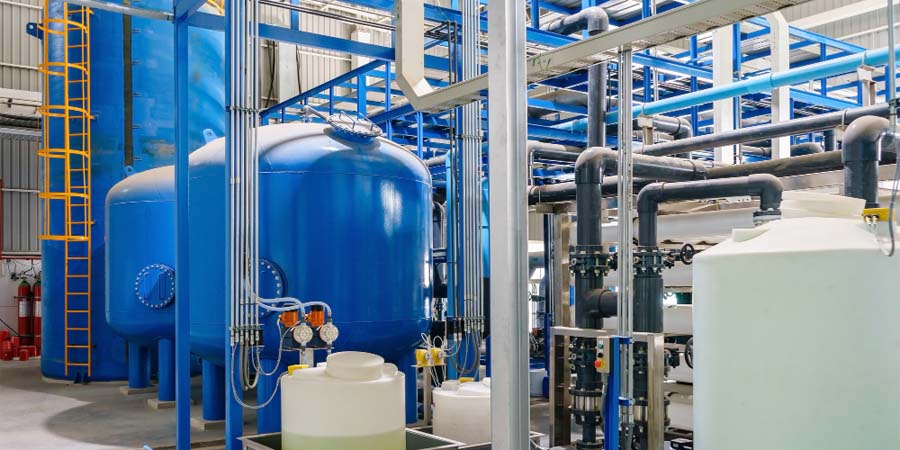
Mineral Water Plant Setup Cost in India (Complete Guide)
Starting a mineral water plant in India has become a profitable business opportunity due to the growing demand for clean and safe drinking water. With increasing health awareness and urbanization, packaged drinking water consumption is rising rapidly in homes, offices, hotels, and public places.
If you are planning to start a mineral water business, understanding the setup cost, machinery, licenses, and investment requirements is essential. This detailed guide explains everything about mineral water plant setup cost in India, helping entrepreneurs make informed decisions.
Why Start a Mineral Water Plant Business in India?
India’s bottled water industry is growing at a fast pace. According to industry estimates, the market is expanding at around 15–20% annually due to increasing population, tourism, and rising concerns about water contamination.
Here are some reasons why starting a mineral water plant is a good investment:
- High demand in urban and rural areas
- Growing hospitality and tourism sectors
- Low raw material cost (water source)
- Consistent market demand year-round
- Opportunity for both small and large scale operations
With the right planning and quality standards, a mineral water plant can generate steady profits and long-term business growth.
Types of Mineral Water Plants in India
Before calculating the investment, it is important to understand the different types of packaged water plants.
1. Small Scale Mineral Water Plant
This setup is suitable for startups and small entrepreneurs.
Production Capacity:
- 500 to 2000 liters per hour
Estimated Investment:
- ₹10 lakh to ₹25 lakh
These plants usually supply water locally to shops, offices, and households.
2. Medium Scale Mineral Water Plant
Ideal for expanding businesses that want to supply water to multiple locations.
Production Capacity:
- 2000 to 5000 liters per hour
Estimated Investment:
- ₹25 lakh to ₹50 lakh
3. Large Scale Mineral Water Plant
Large-scale plants supply packaged water to cities, hotels, and distributors.
Production Capacity:
- 5000 to 10,000+ liters per hour
Estimated Investment:
- ₹50 lakh to ₹1.5 crore or more
Mineral Water Plant Setup Cost in India
The total cost of setting up a mineral water plant depends on production capacity, machinery quality, and location. Below is a detailed breakdown of the major expenses.
1. Land and Building Cost
The first requirement is space for installing machinery and storage facilities.
Typical Space Requirement:
- Small plant: 1000–1500 sq ft
- Medium plant: 2000–3000 sq ft
- Large plant: 5000 sq ft or more
Cost Estimate:
- Renting space: ₹20,000 to ₹1,00,000 per month depending on location
- Buying land: varies widely by city or industrial area
Industrial areas are often preferred because they provide easier access to water sources and transportation.
2. Mineral Water Plant Machinery Cost
Machinery is the biggest investment in a mineral water plant setup. The equipment includes water purification systems, bottling machines, and packaging units.
Main machinery includes:
- Raw water storage tank
- Sand filter
- Activated carbon filter
- Reverse osmosis (RO) system
- UV sterilizer
- Ozonation system
- Bottle washing machine
- Bottle filling machine
- Bottle capping machine
- Labeling machine
- Shrink wrapping machine
Estimated Machinery Cost:
- Small plant: ₹5 lakh to ₹12 lakh
- Medium plant: ₹12 lakh to ₹25 lakh
- Large plant: ₹25 lakh to ₹60 lakh
Automated machines increase production efficiency but also raise the initial investment.
3. Water Treatment Plant Cost
Water purification is the most important step in producing safe drinking water. The treatment system removes impurities, bacteria, and harmful chemicals.
Common technologies used:
- Reverse Osmosis (RO)
- UV Sterilization
- Ozonation
- Micron filtration
Estimated Cost:
- ₹3 lakh to ₹15 lakh depending on capacity.
A high-quality purification system ensures compliance with government standards and improves product reliability.
4. Bottle Manufacturing or Purchase Cost
You can either manufacture bottles or purchase ready-made bottles from suppliers.
Bottle Types:
- 200 ml cups
- 500 ml bottles
- 1 liter bottles
- 2 liter bottles
- 20 liter jars
Estimated Cost:
- Preforms and bottles: ₹1 lakh to ₹5 lakh initial inventory
- Jar washing and refilling unit: ₹1 lakh to ₹3 lakh
Many small plants focus on 20-liter jar water supply, as it requires lower packaging costs and provides steady demand.
5. Licensing and Registration Cost
To operate a mineral water plant legally in India, several licenses are required.
Important licenses include:
BIS Certification
The Bureau of Indian Standards (BIS) certification is mandatory for packaged drinking water.
Cost: ₹1 lakh to ₹2 lakh including testing and application fees.
FSSAI License
The Food Safety and Standards Authority of India (FSSAI) license ensures the product meets food safety standards.
Cost: ₹5,000 to ₹50,000 depending on plant size.
Pollution Control Board Certificate
You must obtain approval from the State Pollution Control Board.
Cost: ₹10,000 to ₹50,000.
Other Registrations
- GST registration
- Trade license
- MSME registration
Total Licensing Cost: ₹1.5 lakh to ₹3 lakh.
6. Labor and Staff Cost
A mineral water plant requires skilled and semi-skilled workers to operate machinery, manage quality control, and handle packaging.
Typical staff includes:
- Plant operator
- Machine technician
- Quality control supervisor
- Packaging workers
- Delivery drivers
- Sales staff
Monthly Salary Estimate:
- Small plant: ₹80,000 to ₹1.5 lakh
- Medium plant: ₹1.5 lakh to ₹3 lakh
Automation can reduce labor costs but increases machinery investment.
7. Transportation and Distribution Cost
Delivering bottled water to retailers, offices, and households requires transportation.
Common distribution methods:
- Delivery vans
- Mini trucks
- Third-party logistics
Initial vehicle cost:
- ₹5 lakh to ₹12 lakh depending on vehicle type.
Fuel and maintenance expenses must also be considered in operational costs.
Total Investment Required
Here is an approximate summary of mineral water plant setup cost in India.
Small Plant Investment:
- Machinery: ₹5–12 lakh
- Licensing: ₹1.5–3 lakh
- Building setup: ₹2–5 lakh
- Packaging materials: ₹1–3 lakh
- Miscellaneous: ₹2–5 lakh
Total: ₹10 lakh to ₹25 lakh.
Medium Plant Investment:
Total: ₹25 lakh to ₹50 lakh.
Large Plant Investment:
Total: ₹50 lakh to ₹1.5 crore or more.
The investment varies depending on automation level and production capacity.
Profit Margin in Mineral Water Business
The mineral water business offers attractive profit margins if managed efficiently.
Average profit margins:
- 20-liter jar: 30% to 40%
- Small bottles: 20% to 30%
A plant producing 2000 liters per hour can generate substantial daily revenue by supplying water to offices, restaurants, schools, and retail stores.
With proper distribution networks, the return on investment can be achieved within 2 to 3 years.
Tips for Starting a Successful Mineral Water Plant
Follow these strategies to build a profitable mineral water business:
Choose a Good Location
Select an industrial area with a reliable water source and easy transportation access.
Maintain Water Quality
Consistent water testing ensures compliance with safety standards and builds customer trust.
Focus on Branding
Good packaging, labeling, and marketing help differentiate your product in a competitive market.
Build a Distribution Network
Partner with local retailers, offices, hotels, and event organizers.
Invest in Automation
Automated filling and packaging systems increase production efficiency.
Conclusion
Setting up a mineral water plant in India can be a profitable venture with the right planning and investment. Depending on the scale of operation, the setup cost can range from ₹10 lakh for a small plant to over ₹1 crore for a large production facility.
Key factors such as machinery quality, licensing, water purification systems, and distribution networks play a major role in determining the success of the business.
With increasing demand for safe drinking water across India, entrepreneurs who focus on quality, branding, and efficient operations can build a sustainable and profitable mineral water business.
If you are planning to enter the packaged drinking water industry, a well-structured mineral water plant setup can provide excellent long-term growth opportunities.