
Water purification has become an essential requirement for industries, commercial establishments, manufacturing units, and drinking-water businesses. With increasing concerns about dissolved solids, hardness, impurities, and water quality, Reverse Osmosis (RO) technology has become one of the most widely used water-treatment solutions. Among the different RO plant configurations available today, SS RO Plants are especially preferred for applications that require durability, hygiene, corrosion resistance, and reliable long-term operation.
Gujarat is one of India’s major industrial and manufacturing hubs, with strong demand for advanced water-treatment equipment. An experienced SS RO Plant Manufacturer in Gujarat can provide customized stainless steel reverse osmosis systems for different water sources, capacities, and industrial requirements.
SS RO plants are available in a wide range of capacities. Manufacturers in Gujarat commonly offer systems for commercial and industrial applications, including configurations such as 500 LPH, 1,000 LPH, 2,000 LPH, 3,000 LPH, 5,000 LPH and higher capacities, depending on project requirements.
What Is an SS RO Plant?
An SS RO Plant, or Stainless Steel Reverse Osmosis Plant, is a water purification system that uses reverse osmosis membranes to reduce dissolved salts, impurities, and other contaminants from water.
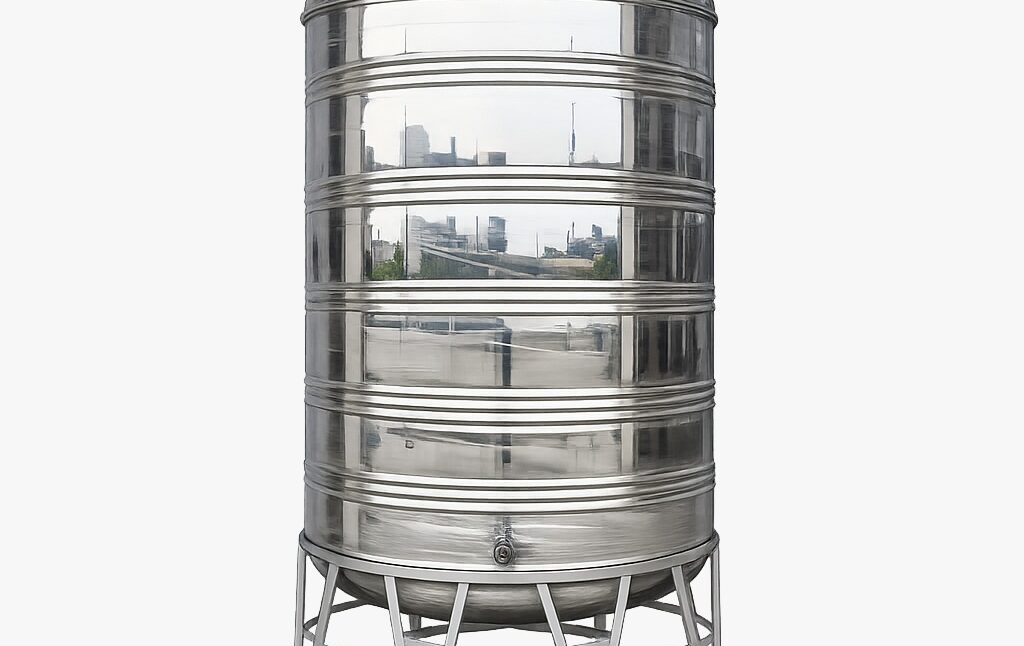
The term “SS” refers to stainless steel construction used for the plant structure and, depending on the design, water-contact components such as piping, tanks, membrane housings, and fittings. Stainless steel grades such as SS 304 and SS 316/316L are commonly selected according to the application and required level of corrosion resistance.
The RO process generally involves pre-treatment followed by high-pressure pumping through semi-permeable membranes. The system separates purified permeate water from the concentrated reject stream.
Why Choose an SS RO Plant?
Stainless steel construction provides several advantages for demanding water-treatment applications.
1. Durable Construction
Stainless steel provides a strong and durable structure for RO equipment. It is suitable for industrial environments where equipment may be exposed to moisture and demanding operating conditions.
2. Corrosion Resistance
One of the major benefits of stainless steel is its resistance to corrosion. This can be particularly valuable in water-treatment environments.
3. Hygienic Design
SS construction is widely preferred for applications where cleanliness and hygiene are important, including food and beverage and certain pharmaceutical applications.
4. Long Service Life
Properly selected stainless steel components, combined with appropriate operation and maintenance, can provide long-lasting equipment performance.
5. Professional Appearance
Stainless steel gives RO plants a clean and professional appearance, making it suitable for modern commercial and industrial installations.
How Does an SS RO Plant Work?
A typical SS RO plant uses several treatment stages. The exact configuration depends on raw-water quality and the required output.
Raw Water Feeding
Raw water is supplied to the treatment system through a suitable feed pump. The water source may include borewell water, municipal water, or other approved sources.
Pre-Filtration
Pre-treatment may include a pressure sand filter and activated carbon filter. These stages help reduce suspended particles and certain unwanted substances before the water reaches the RO membranes.
Micron Filtration
A micron cartridge filter can provide additional filtration before the high-pressure RO stage.
Antiscalant Dosing
Depending on water chemistry, an antiscalant dosing system may be incorporated to help control scaling on the RO membranes.
High-Pressure Pump
The high-pressure pump supplies the pressure required for the reverse osmosis process.
RO Membrane
The RO membrane is the core component of the purification system. Water is passed through the membrane under pressure, producing permeate and reject streams.
Post-Treatment
Depending on the final application, additional treatment such as UV or ozone may be incorporated into the overall water-treatment system.
Applications of SS RO Plants
SS RO plants can be used across a variety of industries and commercial applications.
Food and Beverage Industry
Food and beverage manufacturing requires consistent water quality for processing, cleaning, and other operations. Stainless steel RO systems can be integrated into water-treatment arrangements for these applications.
Pharmaceutical Industry
Pharmaceutical manufacturing often requires carefully controlled water quality. SS RO systems can form part of a broader water-purification process where hygienic construction is important.
Packaged Drinking Water
RO plants are commonly integrated into packaged drinking-water production systems. Depending on the plant design, additional filtration, UV treatment, ozone treatment, and storage systems can be included.
Hospitals and Laboratories
Healthcare and laboratory facilities may require treated water for various applications. The required water-quality specification should be established before selecting the RO system.
Textile Industry
Gujarat has a large textile and dyeing sector. RO plants can be used to produce treated water for selected industrial processes and water-reuse applications.
Chemical Industry
Chemical manufacturing facilities may require treated process water. The RO system can be designed according to the source-water chemistry and required water quality.
Commercial Applications
Hotels, restaurants, offices, institutions, and other commercial facilities can use smaller SS RO systems where durable and hygienic water-treatment equipment is required.
Key Features of a Modern SS RO Plant
A professionally engineered SS RO plant may include:
- Stainless steel skid and structural frame
- SS 304 or SS 316 construction according to application
- RO membranes
- High-pressure pump
- Pressure sand filtration
- Activated carbon filtration
- Micron filtration
- Antiscalant dosing system
- Flow meters and pressure gauges
- Electrical control panel
- Automatic or semi-automatic operation
- UV or ozone treatment as required
- SS storage tanks where applicable
- Safety and monitoring controls
The actual components should be selected based on the water analysis, capacity, recovery target, and final application.
Customized SS RO Plant Solutions in Gujarat
Every water source is different. A professional manufacturer should therefore avoid using the same RO configuration for every customer.
Before designing an SS RO plant, important parameters can include:
- Raw-water TDS
- Water hardness
- pH
- Turbidity
- Feed-water temperature
- Required production capacity
- Desired recovery
- Required permeate quality
- Operating hours
- Available installation space
- Final application
Manufacturers may use water-analysis information to determine membrane selection, pre-treatment requirements, pump specifications, and overall system configuration.
SS RO Plant Manufacturer in Ahmedabad
Ahmedabad is a major engineering and industrial center in Gujarat and has a strong ecosystem for water-treatment equipment manufacturing. Several manufacturers and suppliers in the Ahmedabad region provide stainless steel RO plants for commercial and industrial applications.
Businesses searching for an SS RO Plant Manufacturer in Ahmedabad, Gujarat should evaluate the manufacturer’s technical capabilities, fabrication quality, component selection, installation support, warranty, and after-sales service before making a purchase decision.
A manufacturer with experience in customized water-treatment systems can also help businesses select a plant capacity appropriate for their daily water requirement.
Automatic and Semi-Automatic SS RO Plants
SS RO plants can be supplied with different levels of automation.
Semi-automatic systems can be suitable for applications where operators are available to monitor and control plant operation.
Fully automatic systems can incorporate control panels, sensors, automatic operating sequences, and safety controls to reduce manual intervention.
The appropriate automation level depends on plant capacity, operating schedule, manpower availability, and customer requirements.
Maintenance of an SS RO Plant
Regular maintenance is essential for consistent RO performance. Important maintenance activities can include checking pressure and flow readings, monitoring permeate quality, inspecting filters, maintaining dosing systems, and cleaning or replacing membranes when required.
The frequency of maintenance depends on raw-water quality, operating conditions, pre-treatment effectiveness, and plant usage.
Proper pre-treatment is particularly important because it helps protect the RO membranes from fouling and scaling.
How to Select the Right SS RO Plant Manufacturer
When selecting an SS RO Plant Manufacturer in Gujarat, businesses should consider several factors:
Manufacturing Experience: Look for a manufacturer with relevant experience in designing and fabricating RO systems.
Material Quality: Confirm the stainless steel grade and specifications used in the plant.
Customization: The manufacturer should be able to design the system according to water quality and capacity requirements.
Component Selection: Pumps, membranes, filtration equipment, instruments, and control systems should be selected according to the application.
Installation Support: Professional installation and commissioning can help ensure proper system operation.
After-Sales Service: Spare parts, technical assistance, membrane replacement, and maintenance support can be important for long-term operation.
Conclusion
An SS RO Plant Manufacturer in Gujarat can provide advanced stainless steel water-purification systems for a wide variety of commercial and industrial requirements. With durable construction, corrosion resistance, hygienic design, and customizable configurations, SS RO plants are suitable for applications ranging from packaged drinking water and food processing to pharmaceuticals, textiles, chemicals, hospitals, and industrial process water.
Selecting the right plant requires more than choosing a capacity such as 1,000 LPH or 5,000 LPH. Raw-water quality, TDS, hardness, required permeate quality, recovery, operating hours, automation, and application-specific requirements should all be considered.
For businesses in Ahmedabad and across Gujarat, working with an experienced manufacturer can help ensure that the SS RO plant is properly designed, installed, and maintained for reliable long-term water-treatment performance.
For more information about SS RO Plant Manufacturer , visit our social media .”https://hbinternational.in/Products/ss-ro-plant/