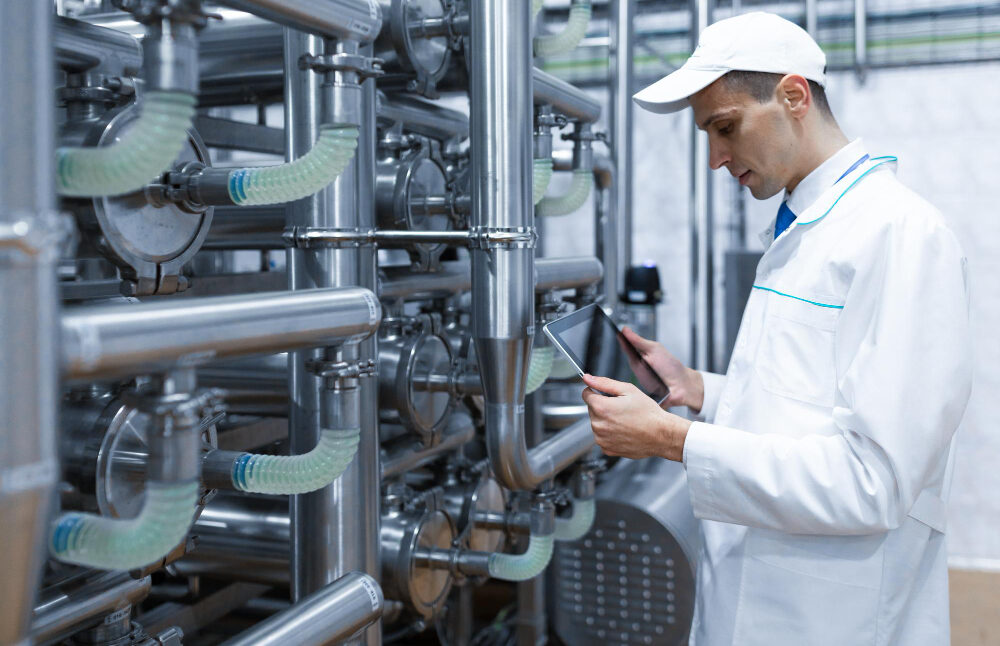
In today’s industrial landscape, water plays a critical role in manufacturing, processing, cooling, cleaning, and product development. However, untreated or poorly treated water can lead to equipment damage, production inefficiencies, and non-compliance with environmental regulations. This is why modern businesses are increasingly investing in advanced industrial water treatment solutions to ensure high-quality water, operational efficiency, and sustainable practices.
Industrial water treatment involves a range of technologies and systems designed to remove impurities, control contaminants, and make water suitable for specific industrial applications. From filtration and purification to recycling and wastewater management, these solutions help industries optimize performance while reducing environmental impact.
Importance of Industrial Water Treatment
Water used in industries often contains dissolved solids, chemicals, heavy metals, bacteria, and suspended particles. If not treated properly, these impurities can affect product quality, damage machinery, and increase maintenance costs. Industrial water treatment ensures that water meets the required standards for various processes, improving efficiency and reducing operational risks.
Additionally, with growing environmental concerns and stricter government regulations, industries must adopt proper water treatment solutions to manage wastewater discharge and conserve resources. Efficient treatment systems help reduce water wastage and promote sustainable industrial practices.
Reverse Osmosis (RO) Systems
Reverse osmosis is one of the most widely used water treatment technologies in modern industries. RO systems use semi-permeable membranes to remove dissolved salts, heavy metals, and harmful contaminants from water. These systems are ideal for industries such as pharmaceuticals, food and beverage, chemicals, and electronics, where high-purity water is essential.
RO systems are known for their efficiency, reliability, and ability to produce consistent water quality. They also help reduce scaling and corrosion in equipment, extending the lifespan of industrial machinery.
Ultrafiltration (UF) Systems
Ultrafiltration is a membrane-based filtration process that removes suspended solids, bacteria, and larger particles from water. UF systems are commonly used as a pre-treatment step before reverse osmosis or as a standalone solution for certain industrial applications.
These systems operate at lower pressure compared to RO and provide excellent filtration performance with minimal chemical usage. UF technology is particularly useful in industries that require high clarity water and efficient removal of microorganisms.
Activated Carbon Filtration
Activated carbon filters are widely used to remove chlorine, organic compounds, bad odor, and unwanted taste from water. In industrial applications, they play a crucial role in improving water quality and protecting downstream equipment such as RO membranes.
This filtration method is especially beneficial in industries where water quality directly affects product output, such as food processing, beverages, and pharmaceuticals. Activated carbon systems are cost-effective and easy to maintain, making them a popular choice for many businesses.
Water Softening Systems
Hard water containing calcium and magnesium can cause scaling in pipelines, boilers, and heat exchangers. Water softening systems are designed to remove hardness by using ion exchange technology. These systems replace calcium and magnesium ions with sodium ions, resulting in softer water that is less likely to cause scale buildup.
Water softeners are essential for industries that rely on heating systems, cooling towers, and steam generation. By preventing scale formation, they improve energy efficiency and reduce maintenance costs.
Effluent Treatment Plants (ETP)
Effluent Treatment Plants are designed to treat industrial wastewater before it is discharged into the environment. ETP systems remove harmful chemicals, toxins, suspended solids, and pollutants from wastewater, ensuring compliance with environmental standards.
These plants use a combination of physical, chemical, and biological processes to treat wastewater effectively. Industries such as textiles, chemicals, pharmaceuticals, and manufacturing rely heavily on ETP systems to manage waste responsibly and avoid environmental penalties.
Sewage Treatment Plants (STP)
Sewage Treatment Plants are used to treat domestic wastewater generated within industrial facilities, such as water from restrooms, kitchens, and washing areas. STP systems help recycle water for reuse in gardening, flushing, and cooling applications.
Implementing STP solutions reduces freshwater consumption and promotes sustainable water management. These systems are especially useful for large industrial units, commercial complexes, and residential projects.
Ozone and UV Disinfection Systems
Disinfection is a critical step in water treatment to eliminate harmful microorganisms. UV systems use ultraviolet light to destroy bacteria and viruses without adding chemicals to the water. Ozone systems, on the other hand, use ozone gas as a powerful oxidizing agent to disinfect water and improve its quality.
Both technologies are widely used in industries where hygiene and safety are top priorities, such as food processing, pharmaceuticals, and bottled water production. They ensure water remains safe and free from microbial contamination.
Demineralization (DM) Plants
Demineralization plants are used to remove dissolved minerals and salts from water, producing highly purified water suitable for sensitive industrial applications. DM systems use ion exchange resins to remove cations and anions, resulting in demineralized water.
These systems are commonly used in power plants, laboratories, and industries requiring ultra-pure water. DM plants help maintain equipment efficiency and prevent damage caused by mineral deposits.
Zero Liquid Discharge (ZLD) Systems
Zero Liquid Discharge systems are advanced water treatment solutions designed to eliminate wastewater discharge completely. These systems recover and recycle water while converting waste into solid form for safe disposal.
ZLD systems are becoming increasingly popular in industries with strict environmental regulations. They help reduce water consumption, minimize pollution, and support sustainable operations.
Conclusion
Industrial water treatment solutions are essential for modern businesses aiming to maintain efficiency, product quality, and environmental responsibility. From reverse osmosis and ultrafiltration to effluent treatment and zero liquid discharge systems, each solution plays a vital role in ensuring safe and effective water management.
By investing in the right water treatment technologies, businesses can reduce operational costs, extend equipment life, and comply with environmental standards. Choosing reliable systems and experienced solution providers ensures long-term success and sustainability in today’s competitive industrial environment.