

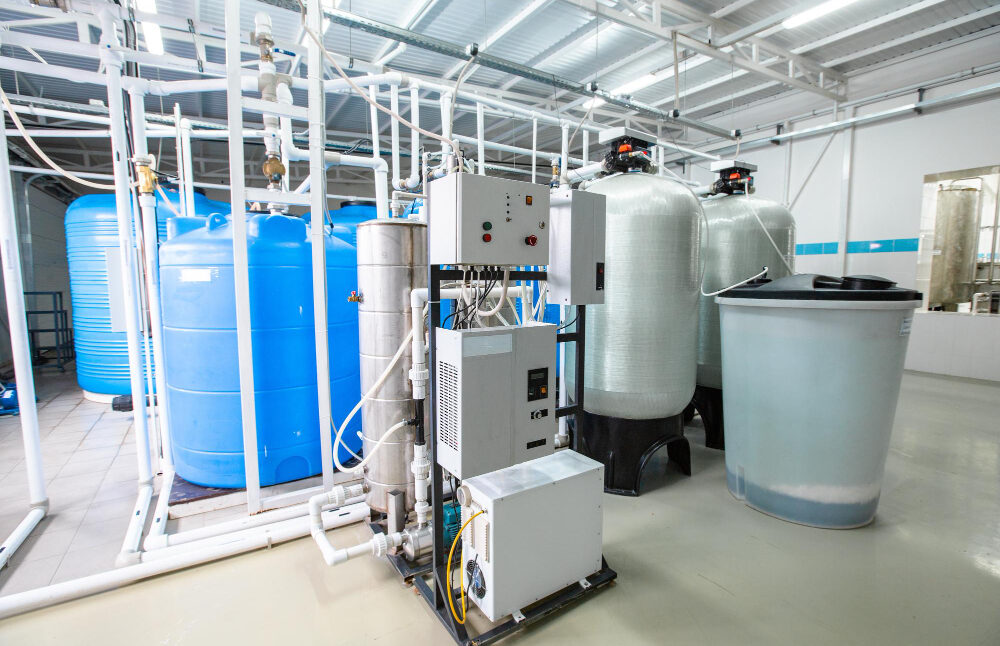
Setting up a mineral water plant is a smart business opportunity in today’s market, where the demand for safe, hygienic, and purified drinking water continues to grow. With increasing awareness about health and water quality, customers now prefer packaged mineral water for homes, offices, events, hotels, restaurants, and industrial use. A well-planned mineral water plant not only ensures high-quality production but also helps build a trusted brand in the competitive bottled water industry.
A complete mineral water plant setup involves several important stages, including raw water collection, purification, filtration, storage, bottling, labeling, and packaging. Each process must be handled with proper technology and advanced machinery to ensure water remains safe, pure, and rich in the essential minerals required for healthy consumption. The success of a mineral water business depends heavily on choosing the right filtration systems and reliable plant machinery.
Understanding Mineral Water Plant Setup
A mineral water plant is designed to purify raw water from sources such as borewells, municipal supply, or natural reservoirs and convert it into clean, drinkable water that meets quality standards. The plant includes a combination of treatment systems and filling machinery to produce packaged water in bottles, jars, or pouches. The setup can be customized according to production capacity, space availability, and business requirements.
The first step in setting up a mineral water plant is analyzing the raw water source. A water test report helps determine the level of impurities, dissolved salts, bacteria, turbidity, and other contaminants present in the water. Based on this report, the suitable treatment process is selected. This is important because different water sources require different purification and filtration solutions.
Key Components of a Mineral Water Plant
A complete mineral water plant consists of several essential components that work together to ensure efficient purification and packaging. Raw water storage tanks are used to collect and store untreated water before processing. A raw water pump transfers the water to the treatment section, where multiple filtration stages remove physical, chemical, and biological impurities.
The main treatment section usually includes a sand filter, activated carbon filter, water softener, micron cartridge filter, reverse osmosis system, UV sterilizer, and ozone generator. After treatment, the purified water is stored in a clean stainless steel tank for bottling. The packaging section may include bottle rinsing, filling, capping, labeling, shrink wrapping, and batch coding machines. Depending on the production scale, plants may use semi-automatic or fully automatic systems.
Importance of Filtration Systems
Filtration systems are the backbone of any mineral water plant. They help remove suspended particles, unpleasant odor, harmful chemicals, hardness, microorganisms, and dissolved impurities from raw water. Without an effective filtration process, the final product may fail to meet safety and quality standards. Choosing the right filtration systems is essential for consistent water purity and taste.
The sand filter is generally used as the first stage of treatment. It removes dirt, dust, sand particles, and other visible impurities from the water. The activated carbon filter is then used to remove chlorine, organic contaminants, bad odor, and unpleasant taste. These two filters play a major role in improving water clarity and preparing it for advanced purification.
A water softener may be installed if the raw water contains a high level of hardness caused by calcium and magnesium salts. Hard water can affect machinery performance and reduce the efficiency of membranes in the reverse osmosis system. Softening the water helps protect equipment and ensures smoother operation.
Role of Reverse Osmosis in Water Purification
Reverse osmosis, also known as RO, is one of the most important technologies used in mineral water plants. It removes dissolved salts, heavy metals, harmful chemicals, and microscopic impurities by forcing water through a semi-permeable membrane. RO systems are highly effective in producing safe and purified drinking water suitable for packaging.
In many plants, the RO system is supported by micron cartridge filters that trap very fine particles before water enters the membrane. This helps increase membrane life and improve purification performance. A well-designed RO system ensures excellent water quality and reduces the chances of contamination.
UV and Ozone Sterilization
After filtration and RO treatment, water must be disinfected to eliminate bacteria, viruses, and other microorganisms. UV sterilization uses ultraviolet light to kill harmful microbes without adding chemicals to the water. It is fast, efficient, and widely used in bottled water plants.
Ozone treatment is another important stage that helps maintain water purity during storage and packaging. Ozone is a powerful oxidizing agent that destroys bacteria and prevents microbial growth inside bottles. It also improves shelf life and ensures the packaged water remains safe for consumption over a longer period.
Bottling and Packaging Process
Once the water is purified and disinfected, it is ready for bottling. The packaging process must be hygienic, efficient, and accurate to maintain product quality. Empty bottles are first rinsed or washed to remove dust and contaminants. The bottles are then filled with purified water using filling machines designed for different bottle sizes and production speeds.
After filling, bottles are sealed with caps using capping machines to prevent leakage and contamination. The bottles may then pass through labeling machines for brand labels and product information. Shrink wrapping and batch coding machines are used for final packaging, making the product ready for transportation and sale. High-quality stainless steel contact parts are often used in these machines to maintain hygiene standards.
Choosing the Right Plant Capacity
The capacity of a mineral water plant should be selected based on market demand, investment budget, and available space. Small-scale plants are suitable for startups and local supply, while large-scale automatic plants are ideal for commercial and industrial production. Capacity is commonly measured in liters per hour, and businesses can choose systems that match their expected output.
It is also important to plan for future growth. Investing in scalable equipment allows businesses to expand production when demand increases. Choosing a trusted manufacturer or supplier for plant machinery can make a big difference in long-term efficiency, maintenance, and service support.
Quality, Compliance, and Maintenance
Running a successful mineral water plant requires strict attention to quality control and regular maintenance. Water quality should be tested frequently to ensure it meets the required purity standards. The plant must follow proper hygiene practices, cleaning schedules, and equipment servicing routines to maintain efficiency and product safety.
Operators should also monitor filter performance, membrane condition, UV systems, and ozone units regularly. Timely replacement of filter media, cartridges, and membranes helps prevent downtime and ensures smooth plant operation. Proper training of staff is equally important for maintaining a safe and productive working environment.
Conclusion
A complete mineral water plant setup involves much more than just bottling water. It requires a well-planned purification system, advanced filtration technology, hygienic packaging solutions, and ongoing quality control. From sand filters and activated carbon filters to RO systems, UV sterilizers, and ozone generators, each component plays a crucial role in producing safe and high-quality packaged drinking water.
Businesses looking to enter the bottled water industry should focus on selecting the right machinery, understanding their raw water conditions, and investing in dependable filtration systems. A professionally designed mineral water plant ensures better efficiency, product quality, and customer trust. With the right setup and technology, a mineral water business can achieve long-term growth and success in today’s expanding market.